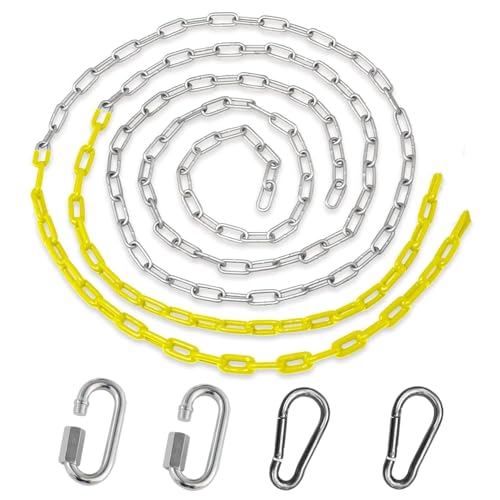
Black swing hangers
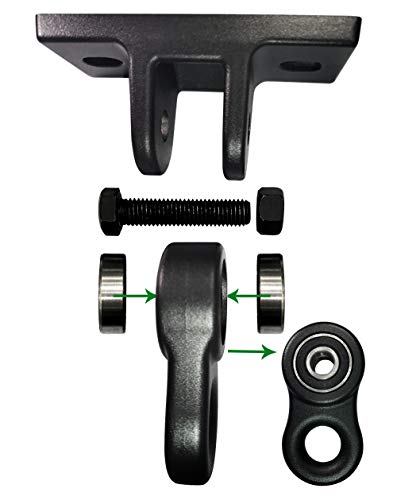 Black swing hangers
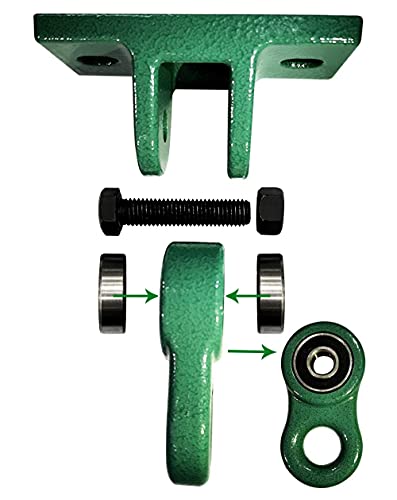 Green swing hangers
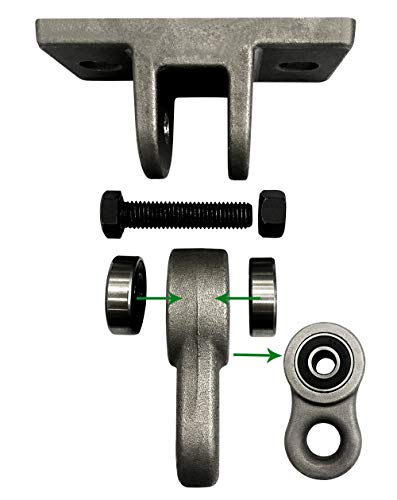 Metal finish swing hangers
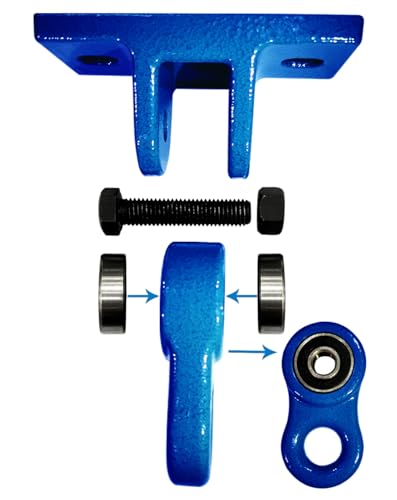 Blue swing hangers
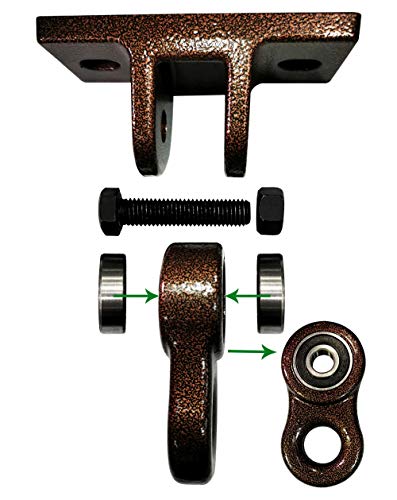 Bronze swing hangers
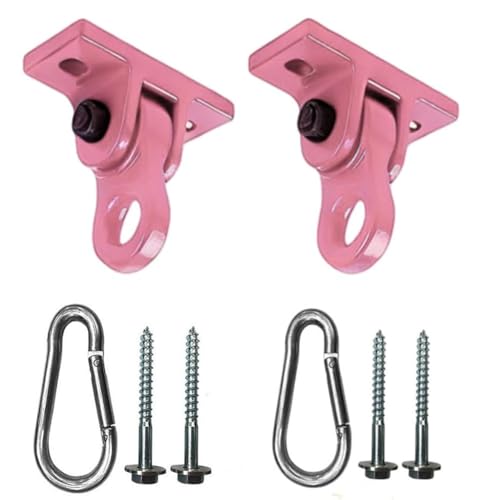 Pink swing hangers
from $18.97
Rated 4.7 of 57,298 ratings on the listing

7 on the shelf, 2 listings
Cast alloy hangers with a sealed bearing inside the loop. The lag screws and the paper drilling template are in the box. Chain, rope and the seat are not.
Black swing hangersGreen swing hangersMetal finish swing hangersBlue swing hangersBronze swing hangersPink swing hangersRated 4.7 of 57,298 ratings on the listing
Black swing hangersGreen swing hangersMetal finish swing hangersBlue swing hangersBronze swing hangersPink swing hangersRated 4.7 of 57,298 ratings on the listing
Black swing hangersGreen swing hangersMetal finish swing hangersBlue swing hangersBronze swing hangersPink swing hangersRated 4.7 of 57,298 ratings on the listing
Black swing hangersGreen swing hangersMetal finish swing hangersBlue swing hangersBronze swing hangersPink swing hangersRated 4.7 of 57,298 ratings on the listing
Black swing hangersGreen swing hangersMetal finish swing hangersBlue swing hangersBronze swing hangersPink swing hangersRated 4.7 of 57,298 ratings on the listing
Black swing hangersGreen swing hangersMetal finish swing hangersBlue swing hangersBronze swing hangersPink swing hangersRated 4.7 of 57,298 ratings on the listing
Rated 4.9 of 537 ratings on the listing
A hanger is the part that decides whether a swing turns or grinds. Ours are cast in one piece from aluminum alloy, with the underside hardened where the load sits, and a sealed bearing pressed into the loop so the movement happens on steel balls rather than on the paint of a hook. That is the whole trick, and it is why the squeak arrives years later instead of by July.
What holds the swing up, though, is the wood and the screw, not the casting. Before you buy a pair, look up at what you are drilling into and read the two notes below: one on lag screws against through bolts, one on how far apart the holes go.
The one decision that gets made wrong most often, and the published numbers that settle it.
Nobody agrees on the inches. Here is what four sources actually say, and where they overlap.
The smallest published number in the whole subject, and the reason it exists.
Bearings, bushings, corrosion, and the difference between an annoying noise and a worn part.